

Technology
Bands, sights, triggers and materials — the engineering inside a deceptively simple tool.
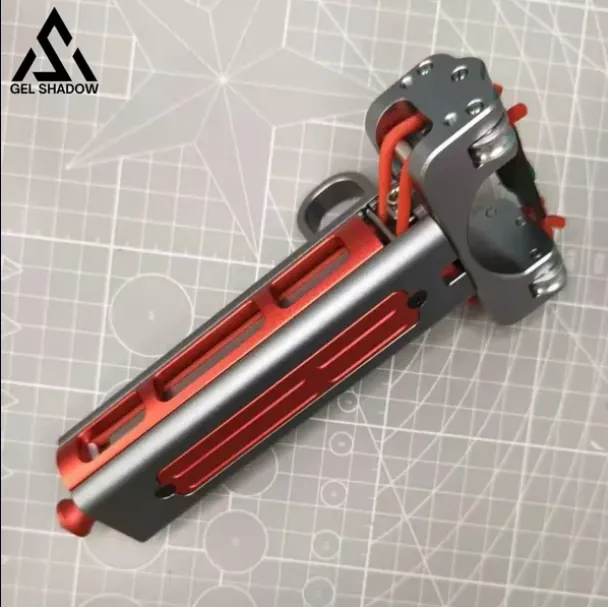
A slingshot looks simple. The performance hiding inside it is not. Here is how our gear actually works.
Band Energy 101
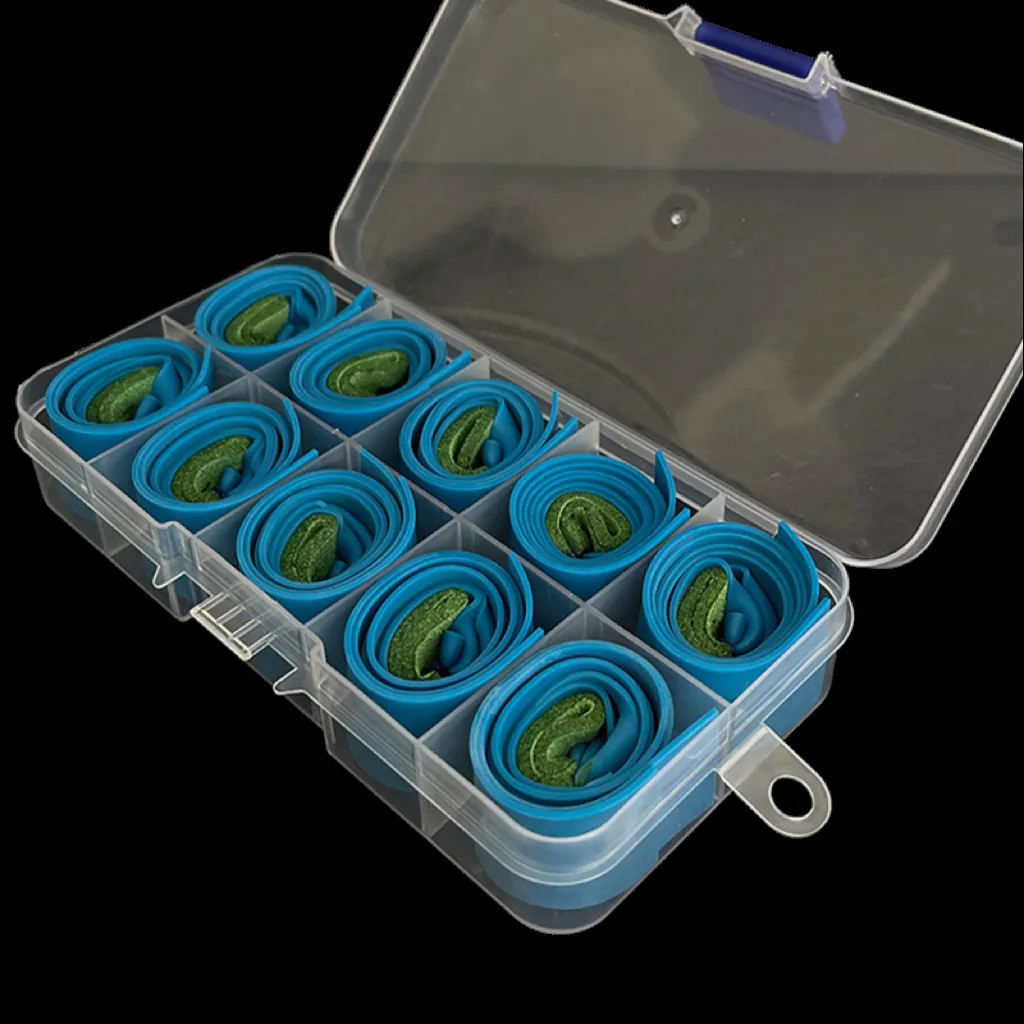
Everything starts with latex. Flat bands accelerate faster and suit precision work; tube bands store more brute energy for heavy ammo and fishing darts. Thickness, taper and draw length decide velocity — which is why we list band specs on every product and sell replacements in every weight. Bands are consumables: vacuum-packed spares stay factory-fresh until the day you need them.
Sighting Systems
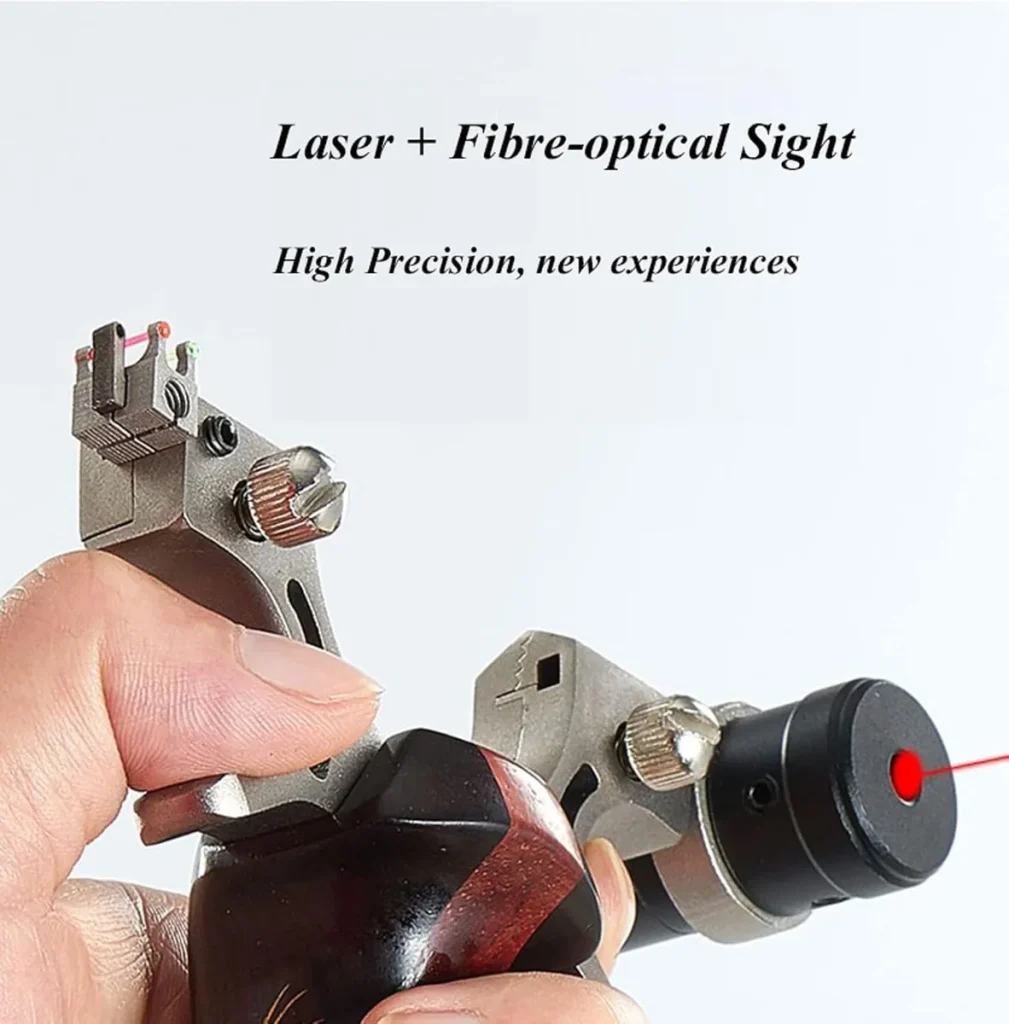
Fiber-optic dots give a bright reference in daylight; mechanical multi-point sights teach holdover at different distances; lasers show exactly where the frame points — invaluable in low light and over water, where refraction fools the eye. Many of our frames combine two systems so you can learn on one and graduate to the other.
Triggers, Magazines & Releases
Holding a heavy draw while aiming is where accuracy dies. Trigger mechanisms hold the draw for you — draw, lock, settle, squeeze — and magazine feeds keep the next ball ready without breaking rhythm. Hand-held release triggers bring the same clean break to any frame you already own.
Frame Materials
304 stainless is the rigid, rust-resistant workhorse. TC21 titanium buys the same strength at pocket weight, permanently. Hardwood handles — rosewood, sandalwood — are stitched over steel cores for warmth without compromise. Every material we use is chosen to outlive its bands by decades.
See It in Action
The best explanation is a draw and a release. Browse the catalog, pick a frame, and feel the engineering for yourself.
More Articles
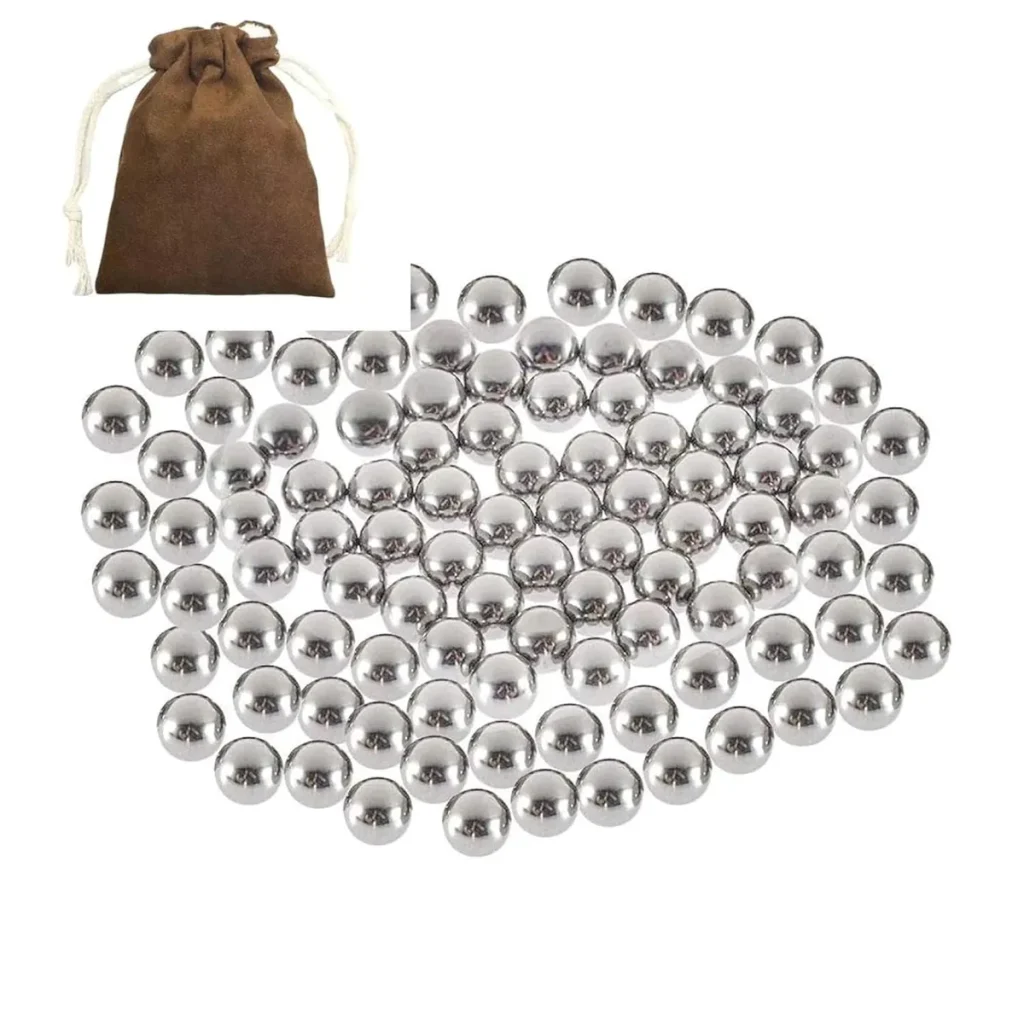
Steel vs Clay Ammo: What to Shoot, and When
Trigger and Magazine Slingshots: The New Generation of Frames