Emergency preparedness sounds complicated until you reduce it to the real question: can you handle the first 72 hours on your own? Storms, outages, evacuation orders — the first three days are when help is furthest away. Here is the short list.
1. Tools and First Aid, In One Bag
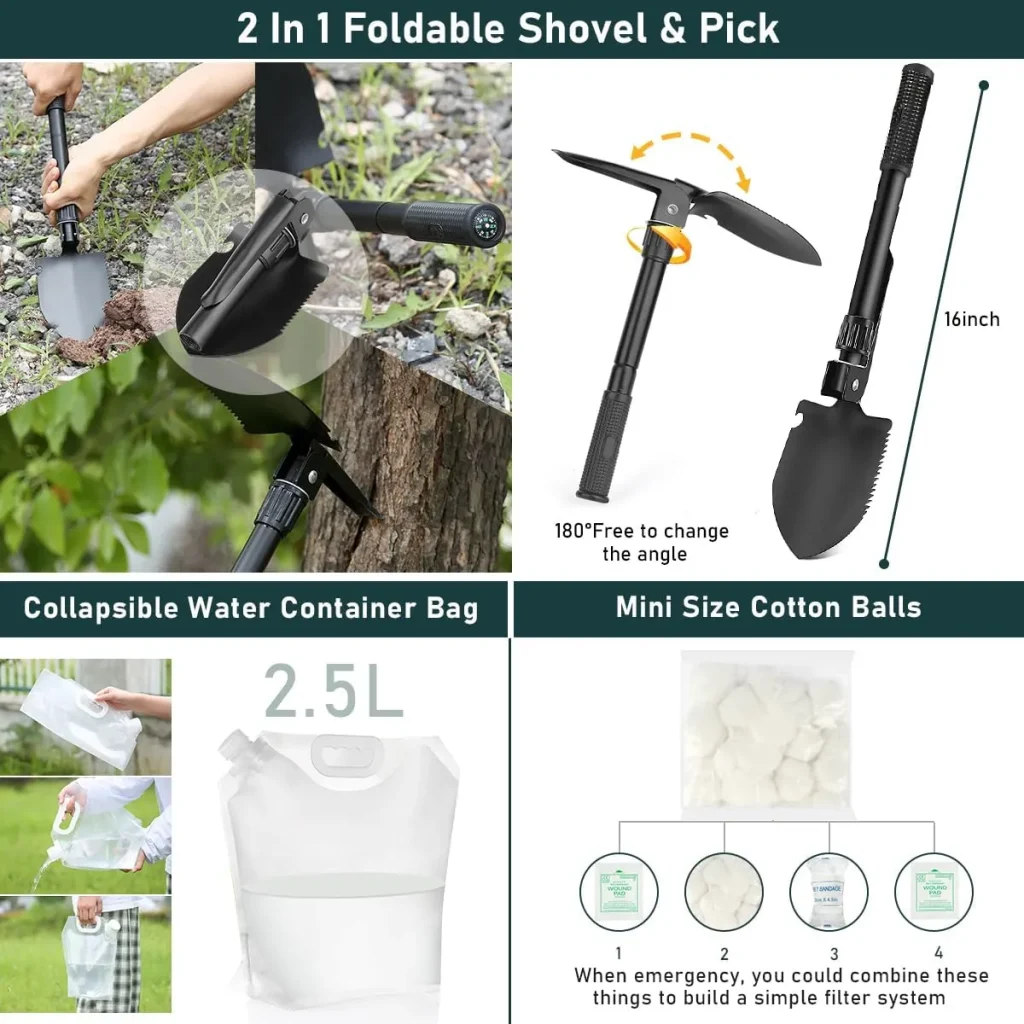
A serious survival kit earns its place with full-size tools — a real axe, a real shovel — plus shelter, fire and a first-aid pouch you can find with your eyes closed. Modern kits pack 250+ pieces into a MOLLE bag that lives in the car trunk. Buy once, check the expiry dates yearly, forget about it.
2. Water You Do Not Have to Carry
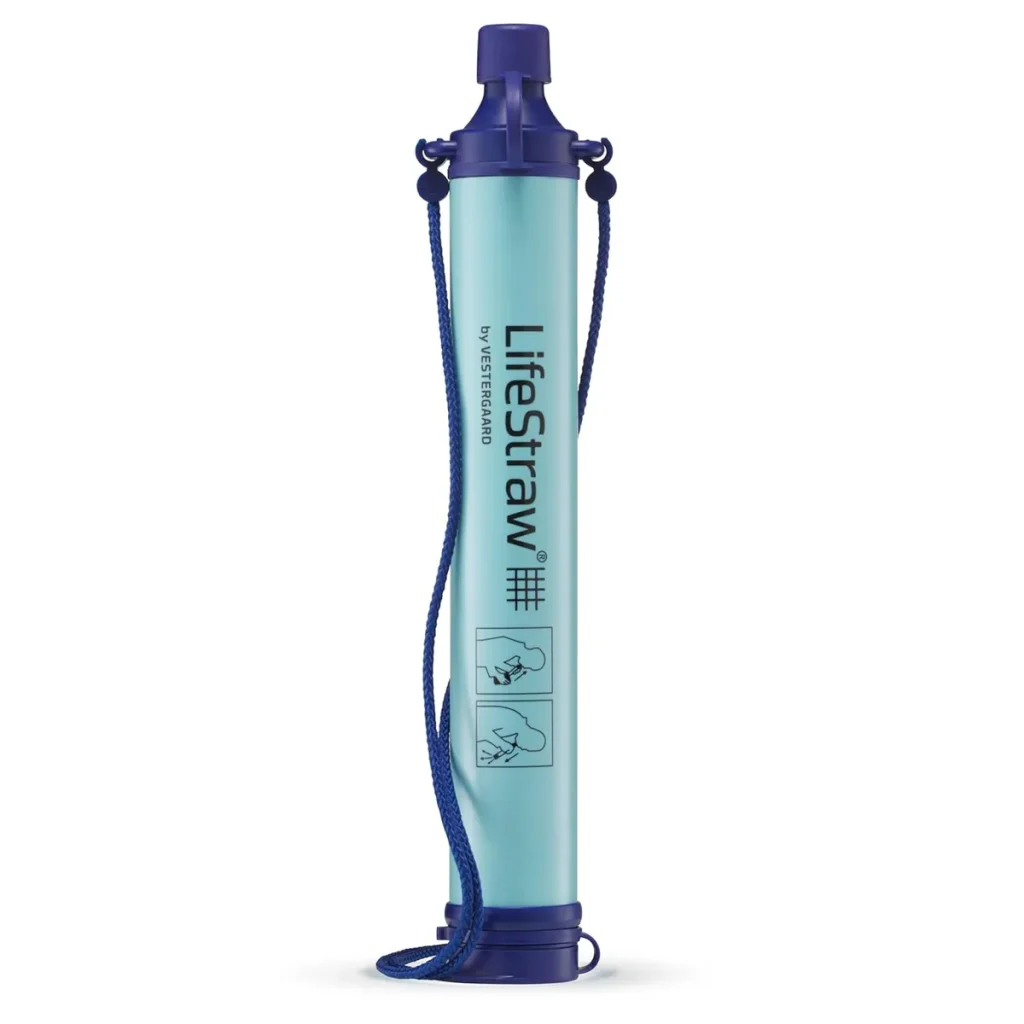
Water is heavy; filtration is not. A two-ounce straw filter turns a thousand gallons of stream, lake or tap water into safe drinking water — no chemicals, no batteries. One per family member is the rule.
3. Information and Power
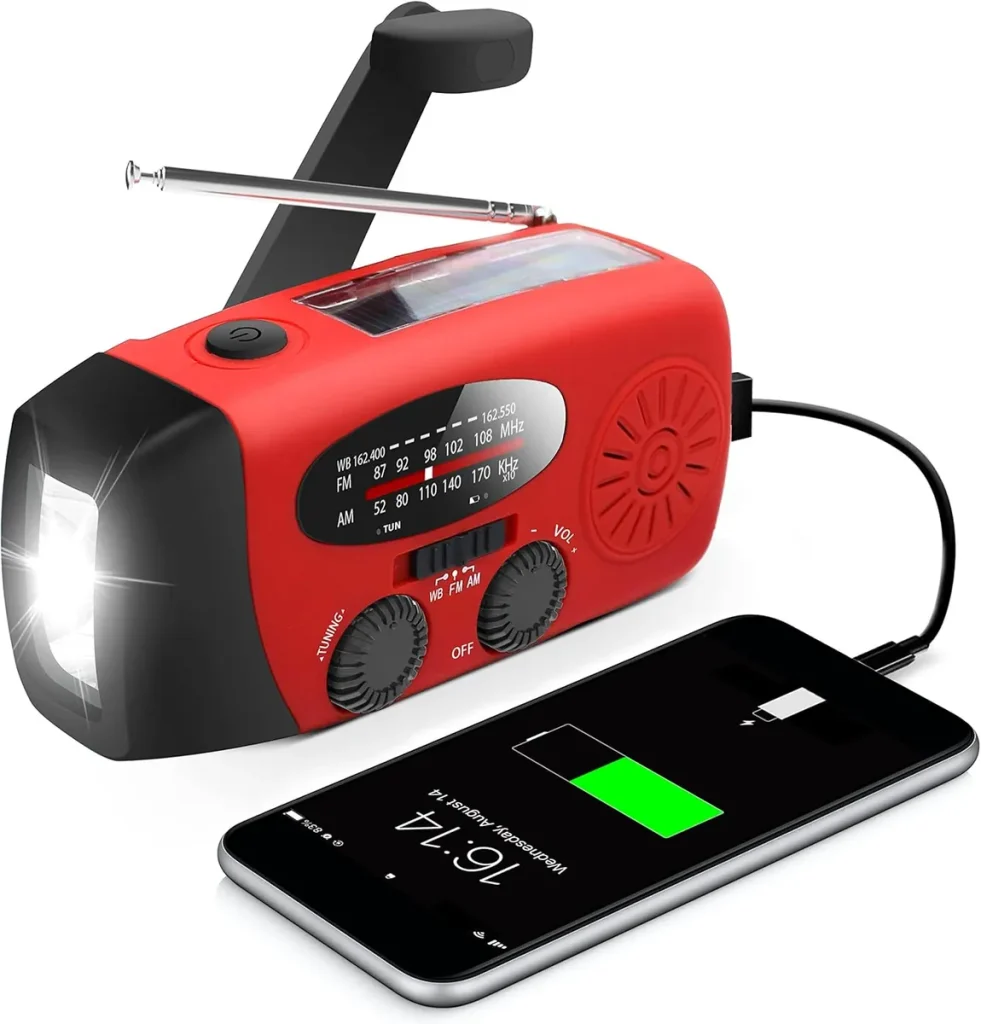
When the grid quits, a hand-crank radio keeps three lifelines open: weather alerts, a flashlight, and enough charge for the phone call that matters. Crank, solar or battery — it works when nothing else does.
That is the whole system: tools, water, information. Build yours from our Survival Kits, Water Filtration and Emergency Power & Radio collections.